Have you ever used LOL so many times that your messages started feeling repetitive? You’re not alone! LOL remains one of the most popular internet expressions, but plenty of other words and phrases can make your conversations more entertaining. From a simple Haha to an energetic LMAO, each expression communicates laughter with a slightly different feeling. Knowing the right alternatives can help you sound more natural in text messages, social media comments, and everyday conversations.
Whether you’re chatting with friends, replying to funny memes, or improving your English vocabulary, learning LOL synonyms gives you more ways to express amusement. Some alternatives work perfectly in casual conversations, while others fit storytelling and descriptive writing. Let’s look at 30 useful alternatives, their meanings, examples, and the best situations for using them.
What Does LOL Mean?
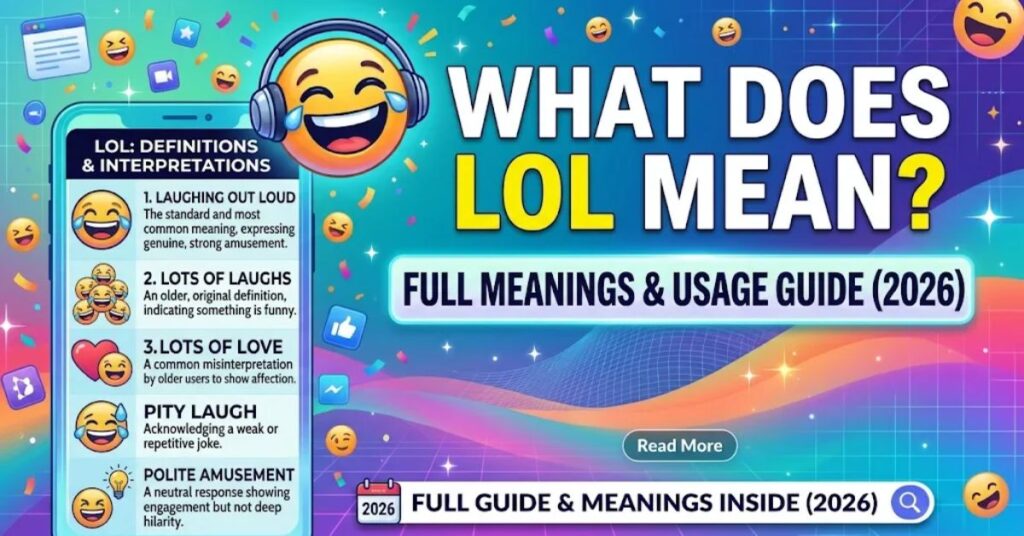
LOL stands for Laughing Out Loud. People use this popular abbreviation in text messages, online chats, social media comments, and other informal conversations.
It originally described someone laughing loudly at something funny. However, its meaning has expanded over time. Today, people also use LOL to show amusement, friendliness, surprise, or a lighthearted reaction.
You might see LOL in different situations, including:
- Reacting to a funny joke or meme.
- Showing that someone’s comment made you smile.
- Making a conversation feel less serious.
- Responding playfully to an unexpected situation.
- Adding humor to an ordinary text message.
Example Sentences
Here are a few everyday examples showing how people use LOL:
- LOL, that was the funniest video I’ve watched today.
- I accidentally wore two different shoes to work LOL.
- Your reaction to that joke made everyone laugh LOL.
Usage Tip
LOL works best in informal communication. Use it with friends, family, and social media followers. Avoid relying on it in formal business emails, academic assignments, or professional documents.
30 Synonyms of LOL (With Meanings, Examples & Usage)
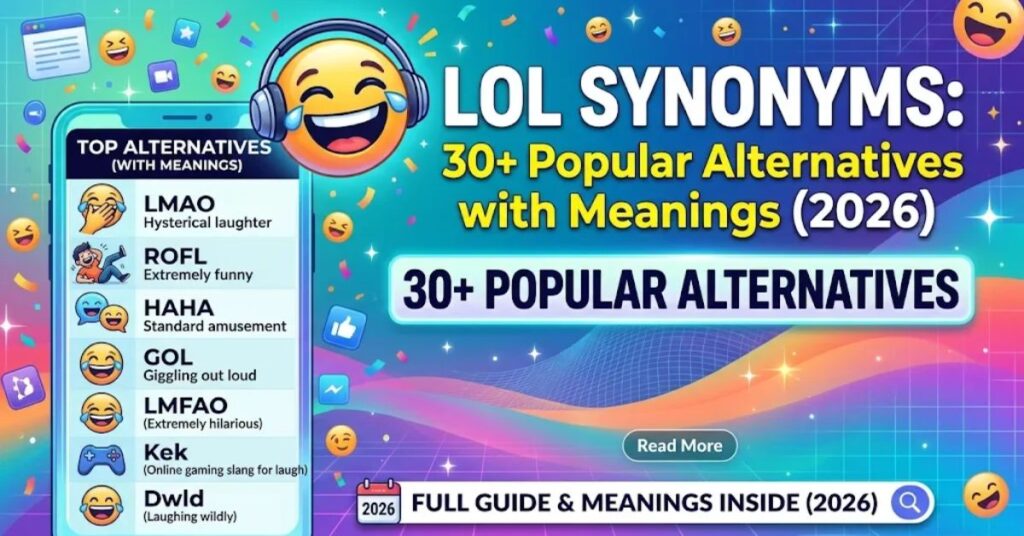
Sometimes a simple LOL doesn’t express how funny something really is. These alternatives give you different ways to communicate amusement, from a quiet giggle to uncontrollable laughter.
1. Haha
Haha is a simple and friendly expression of laughter. It works when something makes you smile or gives you a little amusement.
Example: Haha, I can’t believe you actually did that!
Best Usage Context: Casual conversations and text messages.
2. Hahaha
Hahaha represents stronger laughter than a single Haha. Adding more letters makes your reaction feel more enthusiastic and genuine.
Example: Hahaha, that story gets funnier every time you tell it.
Best Usage Context: Friendly chats and funny social media comments.
3. Hehe
Hehe expresses soft, playful, or sometimes mischievous laughter. People often use it when teasing someone or sharing a little secret.
Example: Hehe, I already knew about your surprise party.
Best Usage Context: Personal messages and playful conversations.
4. LMAO
LMAO stands for Laughing My Ass Off. It expresses intense amusement when something feels extremely funny.
Example: LMAO, I wasn’t expecting that hilarious ending!
Best Usage Context: Informal internet conversations and texting friends.
5. ROFL
ROFL means Rolling On the Floor Laughing. It describes a reaction to something incredibly funny.
Example: ROFL, that comedy video completely made my day.
Best Usage Context: Internet slang, memes, and casual online chats.
6. LMFAO
LMFAO means Laughing My Freaking Ass Off in a polite interpretation. It communicates extremely strong laughter and has a more explicit original expansion.
Example: LMFAO, your impression of our teacher was perfect.
Best Usage Context: Very informal conversations with close friends.
7. Giggle
A giggle is a light, cheerful, and sometimes uncontrollable laugh. It usually describes gentle amusement rather than loud laughter.
Example: She started to giggle when her friend told the silly story.
Best Usage Context: Storytelling, everyday speech, and descriptive writing.
8. Chuckle
A chuckle is a quiet, brief laugh that shows mild amusement. It’s a useful alternative when you want to describe someone’s reaction naturally.
Example: He chuckled at the clever joke during lunch.
Best Usage Context: Formal and informal writing.
9. Snicker
A snicker is a small, often suppressed laugh. It can suggest amusement, embarrassment, or even unkindness depending on the situation.
Example: The students started to snicker after hearing the unexpected answer.
Best Usage Context: Storytelling and descriptive writing.
10. Crack Up
To crack up means to laugh very hard because something is extremely funny. It’s a natural expression in everyday English.
Example: That comedian always cracks me up with his jokes.
Best Usage Context: Casual conversations and spoken English.
11. Burst Out Laughing
This phrase describes suddenly starting to laugh loudly. It works especially well when something unexpected catches you off guard.
Example: Everyone burst out laughing when the dog stole the birthday cake.
Best Usage Context: Storytelling and humorous situations.
12. Guffaw
A guffaw is a loud, hearty, and sometimes uncontrolled laugh. It’s more descriptive than LOL and can add character to your writing.
Example: His ridiculous joke made the entire audience guffaw.
Best Usage Context: Creative writing and descriptive storytelling.
13. Cackle
Cackle refers to a loud, sharp, and sometimes unusual laugh. Writers often use it to describe mischievous or exaggerated laughter.
Example: The two friends cackled while remembering their childhood adventures.
Best Usage Context: Creative writing and humorous descriptions.
14. Teehee
Teehee is a playful expression of light laughter. It often suggests shyness, excitement, or a mischievous reaction.
Example: Teehee, I have something special planned for your birthday.
Best Usage Context: Friendly text messages and playful online chats.
15. Lulz
Lulz is an internet slang expression connected with amusement and online humor. People sometimes use it when sharing funny content or jokes.
Example: We watched the ridiculous video just for the lulz.
Best Usage Context: Internet communities, memes, and informal online communication.
16. Bahaha
Bahaha represents exaggerated or enthusiastic laughter. It gives a written message an energetic and humorous feeling.
Example: Bahaha, that was definitely the funniest moment of the evening!
Best Usage Context: Text messaging and casual social media conversations.
17. ROTFL
ROTFL is another abbreviation for Rolling On the Floor Laughing. It communicates a strong reaction to something hilarious.
Example: ROTFL, I can’t believe that actually happened!
Best Usage Context: Internet slang and informal digital communication.
18. Laugh Out Loud
Laugh Out Loud is the complete phrase behind LOL. You can use it when describing an actual reaction rather than typing an abbreviation.
Example: That movie made me laugh out loud from beginning to end.
Best Usage Context: Everyday communication and general writing.
19. Die Laughing
Die laughing is an informal expression that describes laughing extremely hard. It uses exaggeration to show how funny something feels.
Example: You’ll die laughing when you hear what happened yesterday.
Best Usage Context: Casual speech and friendly conversations.
20. In Stitches
Being in stitches means laughing so hard that your stomach or sides start hurting. It’s a popular English expression for intense amusement.
Example: The comedian had the entire audience in stitches.
Best Usage Context: Casual conversations and storytelling.
21. Amused
Amused describes a person who finds something entertaining or funny. Unlike internet slang, it works well in more formal situations.
Example: She looked amused by his unexpected response.
Best Usage Context: Professional communication and descriptive writing.
22. Entertained
Entertained means enjoying something that holds your attention or makes you feel amused. It doesn’t always indicate laughter.
Example: Everyone felt entertained by the comedian’s clever performance.
Best Usage Context: Professional writing, reviews, and everyday conversations.
23. Smirk
A smirk is a slight smile that can show amusement, confidence, or sometimes arrogance. It’s different from a full laugh.
Example: He gave a little smirk after making the clever remark.
Best Usage Context: Storytelling and character descriptions.
24. Grin
A grin is a broad smile that often shows happiness or amusement. It’s a simple way to describe a positive reaction.
Example: She couldn’t help but grin when she saw the funny picture.
Best Usage Context: Everyday communication and creative writing.
25. Belly Laugh
A belly laugh is a deep, hearty laugh that comes naturally when something is extremely funny.
Example: That comedy show gave everyone a serious belly laugh.
Best Usage Context: Informal conversations and humorous storytelling.
26. Snort
A snort is a sudden noise made through the nose, sometimes while laughing. It often happens when something catches you completely off guard.
Example: He snorted with laughter after reading the ridiculous comment.
Best Usage Context: Humorous situations and casual storytelling.
27. Howl
Howl with laughter means laughing very loudly and energetically. It describes a stronger reaction than a simple chuckle or giggle.
Example: The children howled with laughter during the funny game.
Best Usage Context: Strong amusement and descriptive writing.
28. Roar with Laughter
This expression describes loud, powerful laughter, often coming from a group of people. It creates a vivid picture of shared amusement.
Example: The audience roared with laughter after the comedian’s final joke.
Best Usage Context: Events, performances, and storytelling.
29. Crack a Smile
To crack a smile means to show a small smile, often after trying to remain serious. It suggests slight amusement rather than loud laughter.
Example: Even the strict teacher cracked a smile at the clever joke.
Best Usage Context: Everyday conversations and descriptive writing.
30. Laugh
Laugh is the basic verb used to express amusement or happiness. It works in almost every situation and provides a natural alternative to LOL.
Example: We laughed together while watching our favorite comedy movie.
Best Usage Context: Universal use, from casual speech to formal writing.
Comparison Table: When to Use Different LOL Synonyms
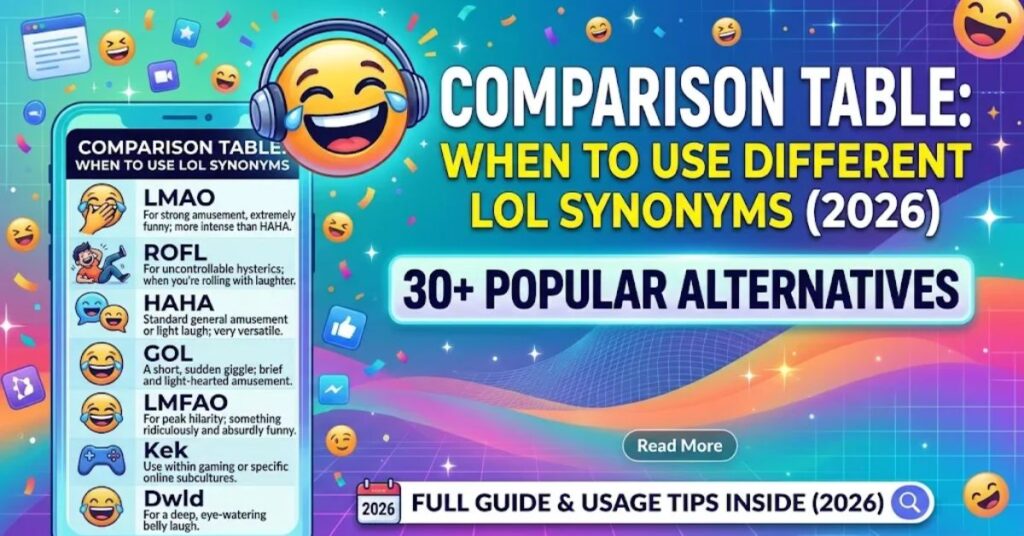
Not every expression of laughter fits every situation. Some alternatives sound natural in text messages, while others work better in professional writing.
Use this comparison table to choose an expression that matches your conversation.
| Context | Best Alternatives |
|---|---|
| Text Messages | Haha, Hahaha, Hehe, Teehee |
| Social Media | LMAO, ROFL, ROTFL, Bahaha |
| Casual Speech | Crack Up, Die Laughing, Belly Laugh |
| Formal Writing | Amused, Entertained, Chuckle |
| Storytelling | Guffaw, Cackle, Burst Out Laughing |
| Strong Laughter | In Stitches, Howl, Roar with Laughter |
| Playful Conversations | Hehe, Teehee, Grin |
Remember that some expressions describe actual physical laughter rather than serving as direct replacements for the abbreviation LOL. Choose one that communicates your intended reaction.
How to Choose the Right Synonym
Choosing the right expression depends on your audience, communication style, and situation. A funny message between friends doesn’t need the same language as a professional email.
Here are some simple ways to pick the best alternative.
For Texting Friends
When chatting with friends, choose expressions that feel relaxed and natural. You don’t need complicated words to show that something made you laugh.
Good options include:
- Haha
- Hahaha
- Hehe
- Teehee
- Bahaha
For example, if your friend shares an embarrassing childhood picture, you can reply, Haha, I need to see more pictures like this!
For Internet and Social Media
Social media conversations often include internet slang and short abbreviations. These expressions help you react quickly to funny videos, memes, and entertaining posts.
Try using:
- LMAO
- ROFL
- LMFAO
- ROTFL
- Lulz
For example, LMAO, this meme describes my entire Monday!
Keep your audience in mind because some abbreviations contain profanity or may feel inappropriate in certain online communities.
For Descriptive Writing
When writing stories, articles, or personal experiences, descriptive words can make your sentences more interesting. Instead of repeating LOL, explain how someone reacts.
Useful alternatives include:
- Chuckle
- Guffaw
- Snicker
- Cackle
- Giggle
For example, She chuckled quietly when she remembered their funny conversation.
These expressions help readers imagine the scene instead of simply telling them that something was funny.
For Strong Laughter
Sometimes a small Haha doesn’t communicate your actual reaction. When something makes you laugh uncontrollably, choose a stronger expression.
Consider these options:
- Belly Laugh
- Howl
- Roar with Laughter
- In Stitches
- Die Laughing
For example, That unexpected ending had us all in stitches!
These phrases work particularly well when describing hilarious moments with friends or family.
For Professional Contexts
Professional communication usually requires clearer and more appropriate language. Internet abbreviations like LOL and LMAO may look too casual in business emails or formal documents.
Instead, consider:
- Amused
- Entertained
- Chuckled
- Found it funny
- Laughed out loud
For example, I found your presentation’s opening joke particularly amusing.
These expressions communicate a positive reaction without making your message sound overly informal.
Conclusion
Learning different LOL synonyms gives you more ways to express laughter in everyday communication. Although LOL remains a popular internet abbreviation, alternatives like Haha, Hahaha, LMAO, ROFL, and Hehe can make your text messages feel more natural. Meanwhile, expressions such as chuckle, giggle, guffaw, and belly laugh help describe different types of amusement in writing. Each alternative has its own tone and works best in particular situations. Whether you’re chatting with friends, commenting on social media, or writing a story, choosing the right expression makes your words more interesting. Remember that not every synonym means exactly the same thing. Some describe actual laughter, while others simply communicate amusement. Use these LOL synonyms according to your audience and situation. A little variety can make even an ordinary conversation more enjoyable. So next time, try something different instead of typing LOL again!

Abu Bakar is the admin of LifestyleABC.com with 3 years of experience in grammar and language content. He specializes in English grammar, synonyms, spelling, and word usage, creating clear and practical content to help readers improve their vocabulary and communication skills.